Principal Investigator
Dr. Jeremy Andersen
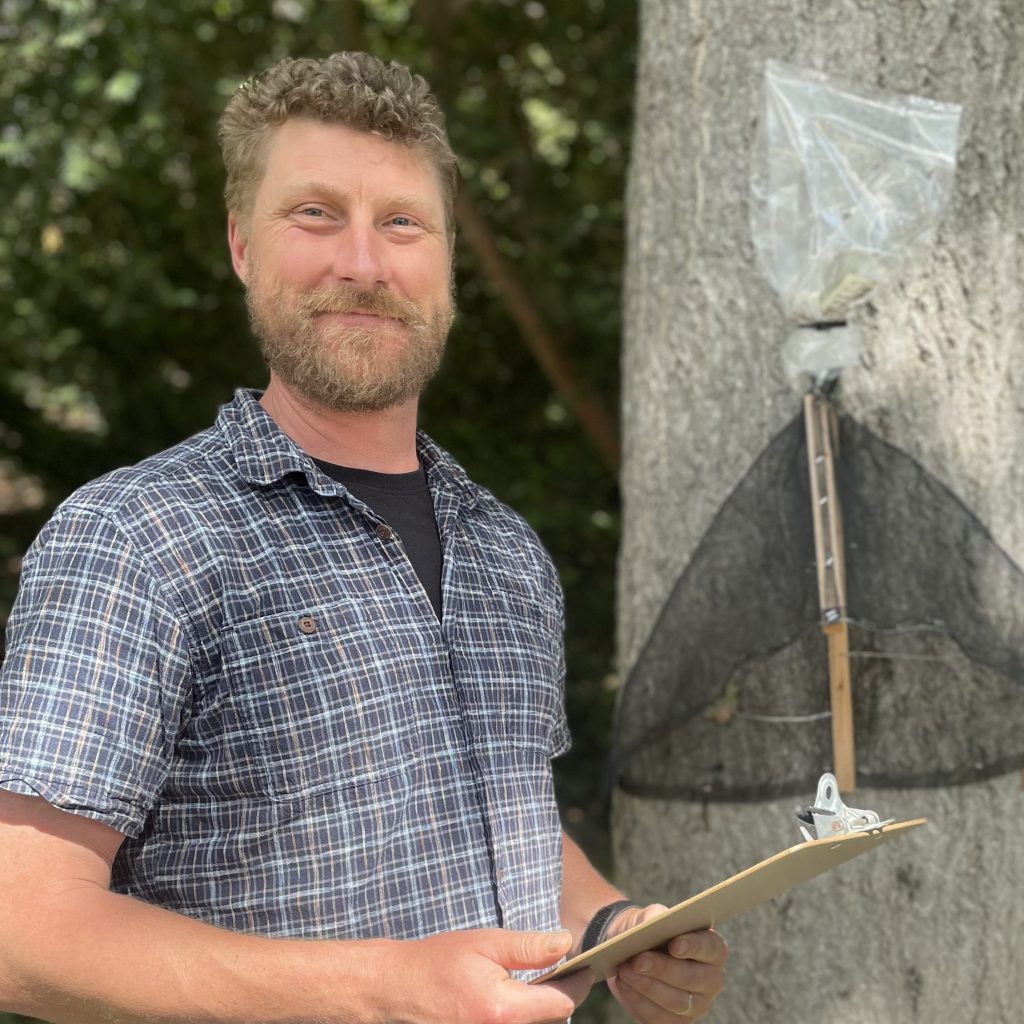
My lab has three primary research goals to protect forests and conserve native insects: 1) to develop novel methods to document, detect, and describe insect species; 2) to implement safe and sustainable biological control programs; and 3) to study the evolutionary and ecological factors that influence the success of biological control programs.
Professor Emeriti
Dr. Joseph Elkinton
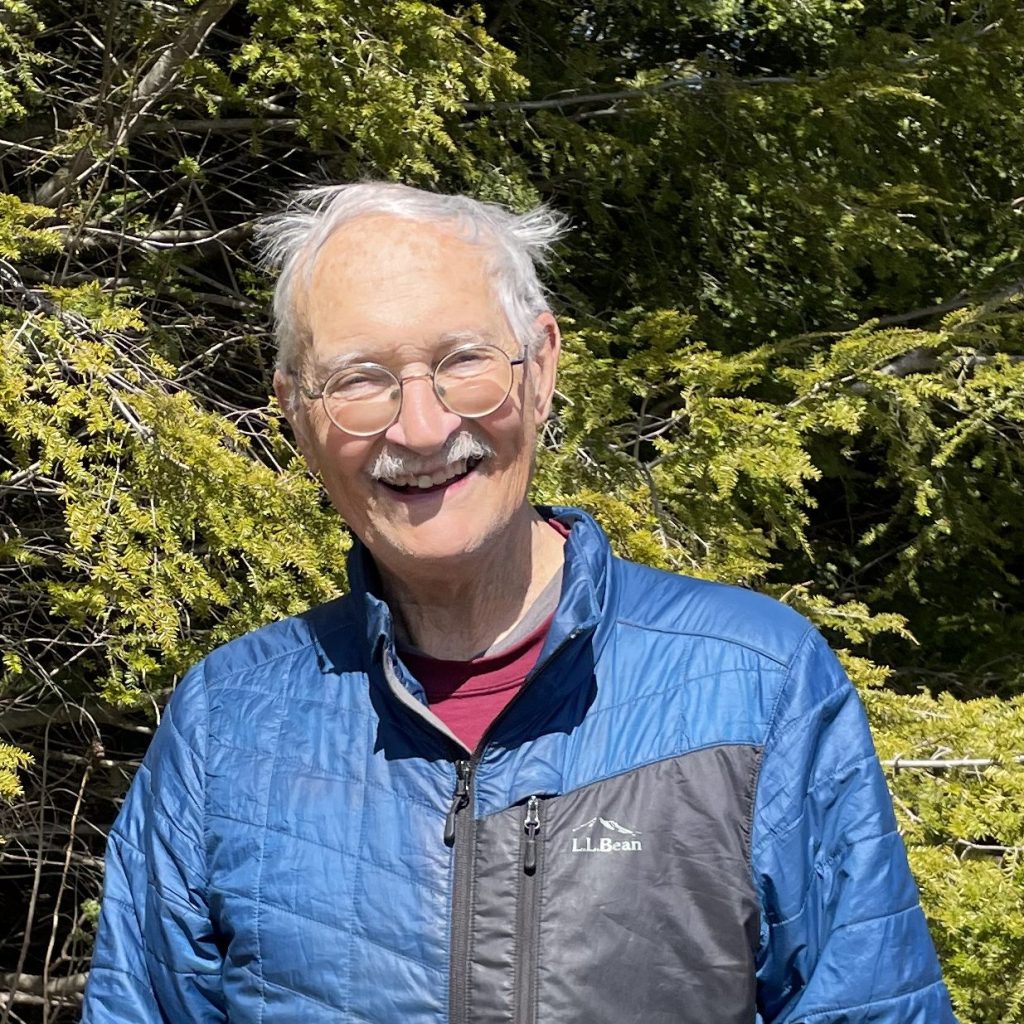
Joe is a professor emeriti and continues to conduct research on population dynamics and biological control of invasive forest insects, with a current focus on winter moth, hemlock woolly adelgid, Japanese knotweed and emerald ash borer. All four projects involve introduction, release and evaluation of natural enemies of these four invasive species as biological control agents. Earlier research on gypsy moth elucidated the role of small mammal predators and viral and fungal pathogens in the dynamics of gypsy moth populations. Other earlier work with browntail moth, another invasive defoliator from Europe that was widespread in the northeastern United States in the early 20th century, showed that it was driven to near extinction at most places by the introduced parasitoid Compsilura concinnata.
website: Dr. Joseph Elkinton
Postdoctoral Researchers
Dr. Matthew Barrett
website: Dr. Matthew Barrett
Dr. Rajagopal Gopalan
I am a postdoctoral research associate in the Department of Environmental Conservation at the University of Massachusetts Amherst. I am a molecular pathologist, and my research focuses on controlling invasive insects that threaten forests and public health. I did my graduate work and PhD at ANJA College, Sivakasi, affiliated with Madurai Kamaraj University, Tamil Nadu, India. My doctoral work screened and characterized entomopathogenic bacteria against mosquito larvae, examining how sublethal exposure altered larval development time, metamorphosis, adult fecundity, and egg hatchability, and whether those effects carried into the next generation. At UMass I led a project to develop a Chromobacterium based biopesticide for spongy moth (Lymantria dispar) and other invasive lepidopteran pests of northeastern forests, working with strains from the culture collection of the USDA Invasive Insect Biocontrol and Behavior Laboratory (IIBBL) in Maryland. My current work uses dsRNA and nanoparticle delivery to silence essential genes in spongy moth and box tree moth (Cydalima perspectalis), funded by the USDA- NIFA through the Plant Protection Act. The aim is a treatment that kills the pest and leaves non-target insects alone. Much of this depends on genomic and transcriptomic data, which I use to find genes worth targeting, to see how a pathogen kills its host, and to measure how pests and their microbes respond to treatment. I approach all of this through One Health, since the same pest and pathogen problems affect forests, agriculture, and human and animal health.
website: Dr. Rajagopal Gopalan
Dr. Mari West
Lab Manager
Artemis Roehrig, MS
website: Artemis Roehrig
Research Fellows
Zachary Colby
Zach studies chemical ecology and trapping methodology for spotted lanternfly, and is working on developing effective biocontrol for Japanese knotweed.
Justin Roch, MS
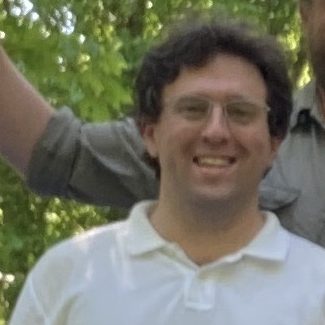
Justin uses DNA sequencing and other methods to assist with native bee identification. Justin is also a curatorial fellow in the UMass Entomology Collection, where he manages ongoing collection curation and outreach efforts, and maintains the UMass Live Insect Zoo. Justin is interested in the taxonomy and conservation of a wide variety of insects but especially pollinators, and is a UMass alum with a master’s in Organismic and Evolutionary Biology (’23).
website: Justin Roch
Graduate Researchers
Noah Goldman (Stockbridge- Masters Student)
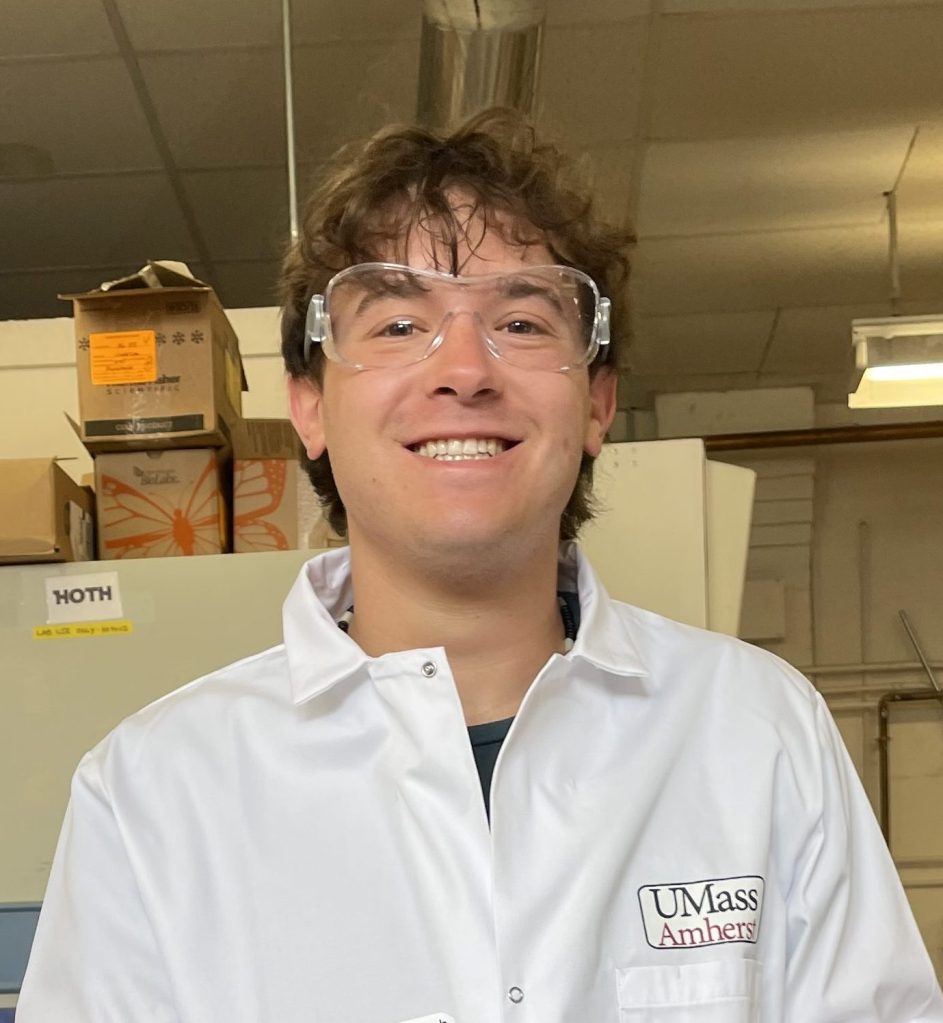
Noah’s current research is on phenology of Aphalara itadori a biocontrol agent for Japanese knotweed and the impact of invasive insects on tree stand health.
Mike Martinson (ECo- PhD Student)
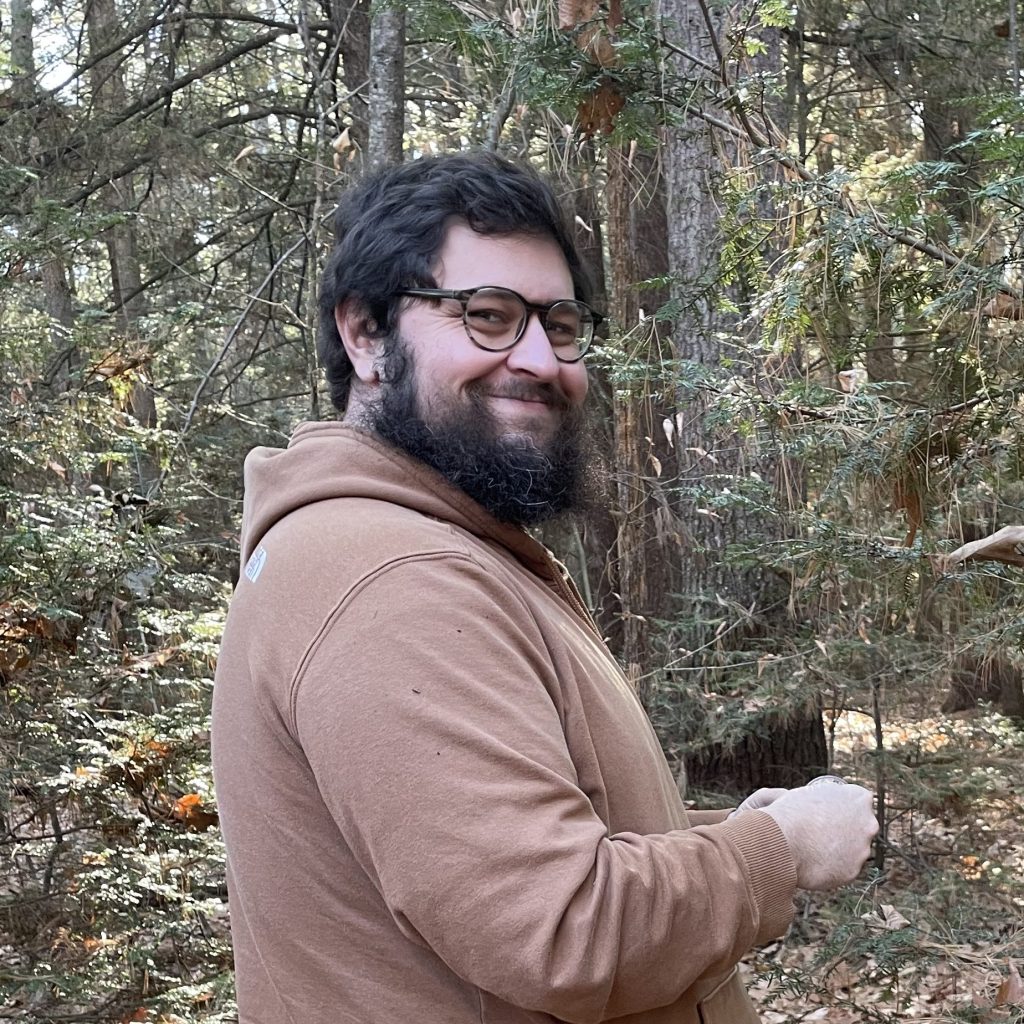
Mike received two Bachelors of Science degrees from Michigan State University: one in Fisheries and Wildlife Management and another in Forestry. There he studied the biological control of Emerald Ash Borer. After graduating in 2020, he worked in collaboration with the U.S. Forest Service on the biological control of Elongate Hemlock Scale. Mike then worked as member of the biological control team at the USDA APHIS PPQ Forest Pest Methods Lab where he assisted in research into the biological control of Roseau Cane Scale and maintained Phragmites and scale colonies. He is currently working on describing Aprostocetus species for RCS biocontrol, examining the diversity of Agrypon parasitoids of winter moth, and population genetics involving range expansion of Southern pine beetle.
website: Mike Martinson
Austin Paine (OEB- Masters Student)
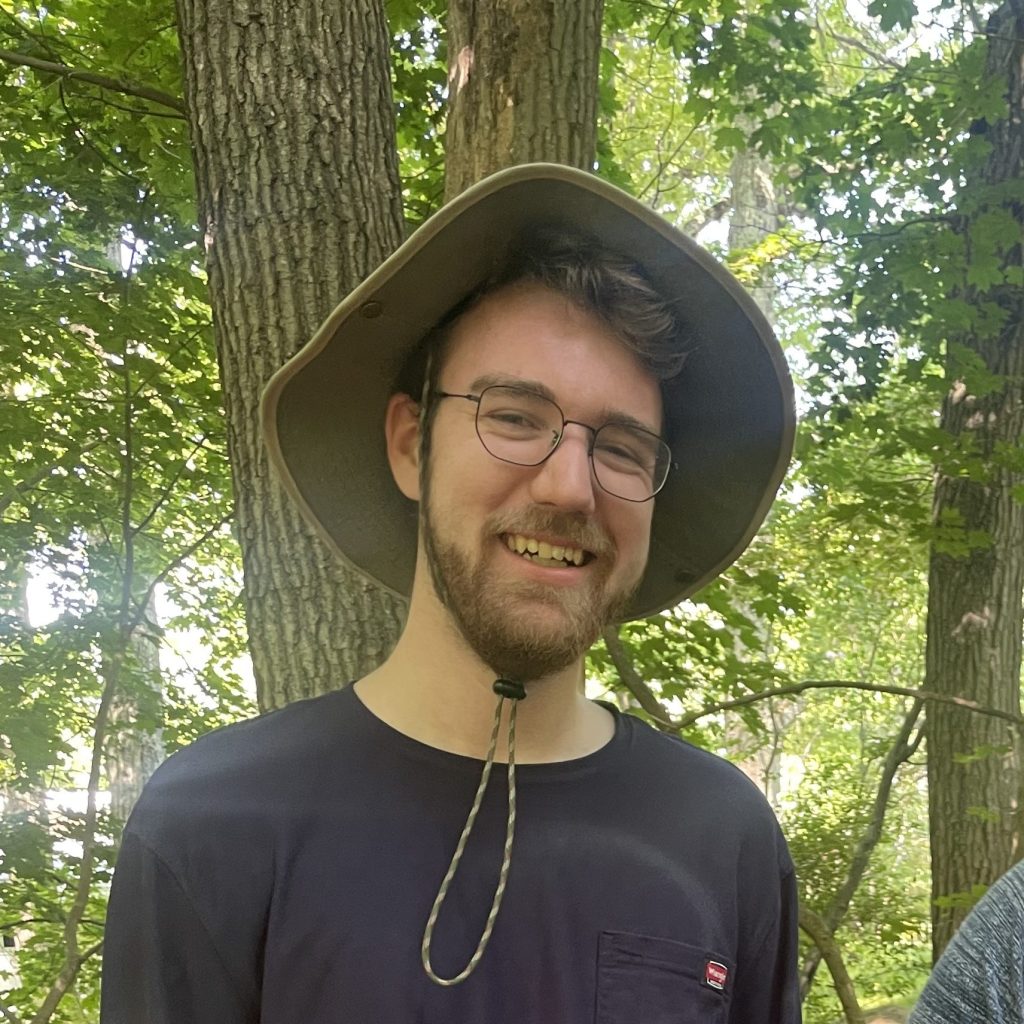
Austin studies the cryptic species complex and hybridization of Sasajiscymnus, a biological control agent for hemlock woolly adelgid.
website: Austin Paine
Robin Yoo (OEB- Masters Student)
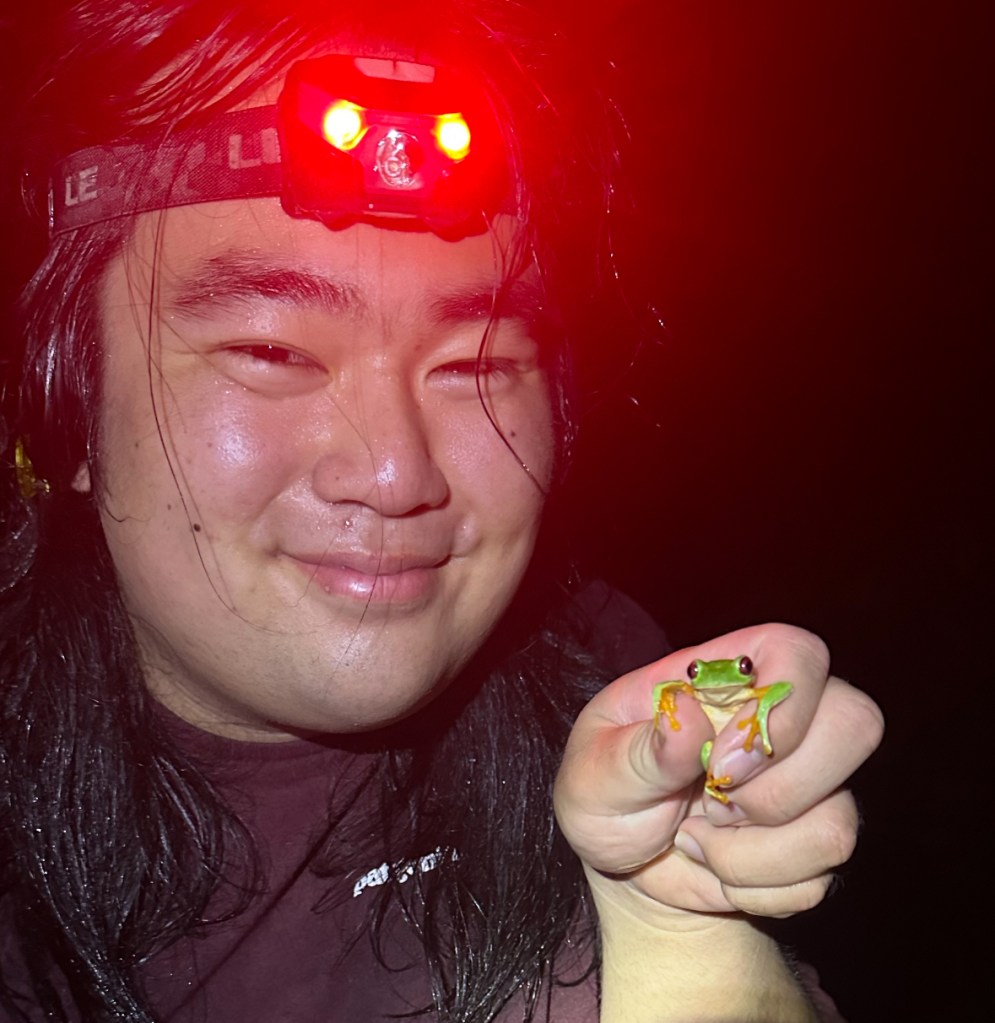
Robin’s current research focuses on exploring temperature effects on range expansion of the handsome meadow katydid (Orchelimum pulchellum).
website: Robin Yoo
Undergraduate Researchers
Jaclyn Alvarez
Ren Cattafe (NRC- Forest Ecology)
website: Ren Cattafe
Luke Chiodo
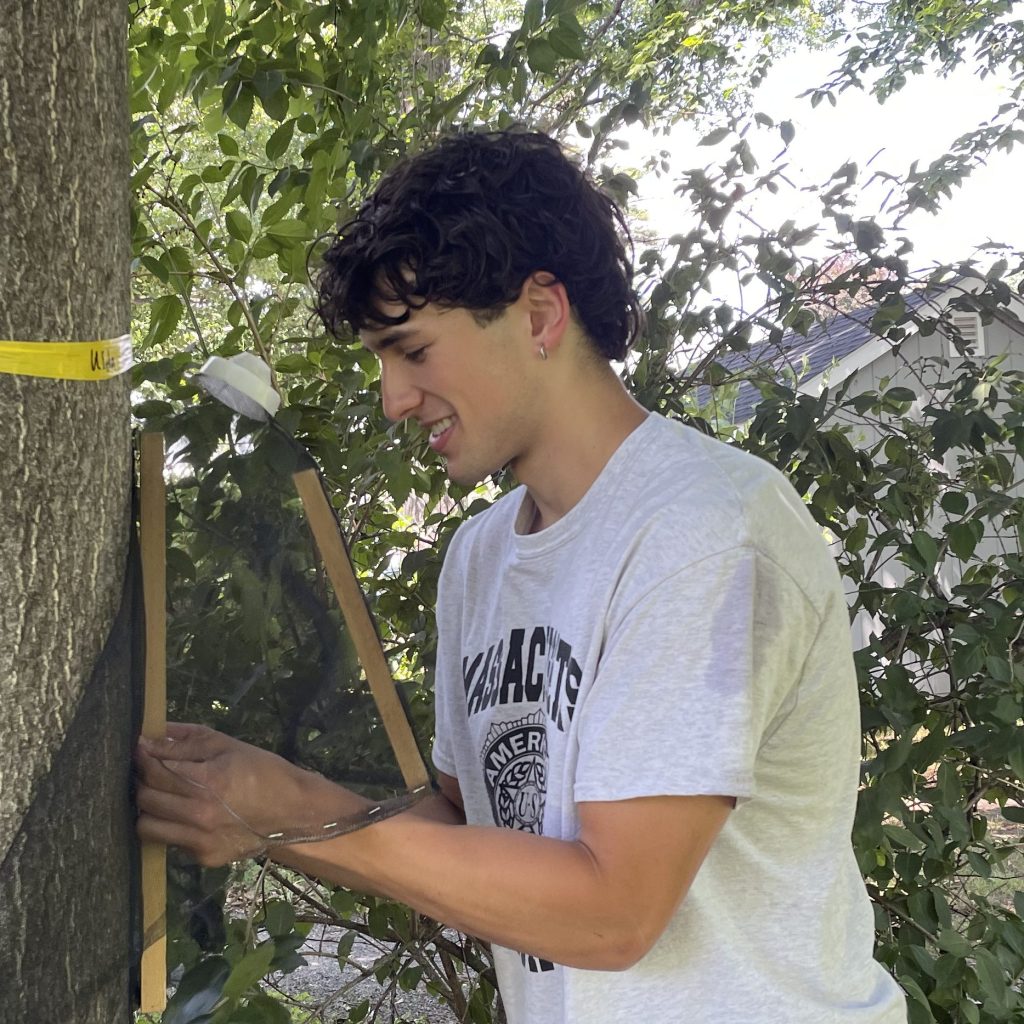
Toby Jaffee (Stockbridge)
In addition to working on project on climate effects on hemlock wooly adelgid HWA, and knotweed biocontrol, Toby is the current president of the Fernald Entomology Club at UMass.
Camille LeBlanc (NRC)
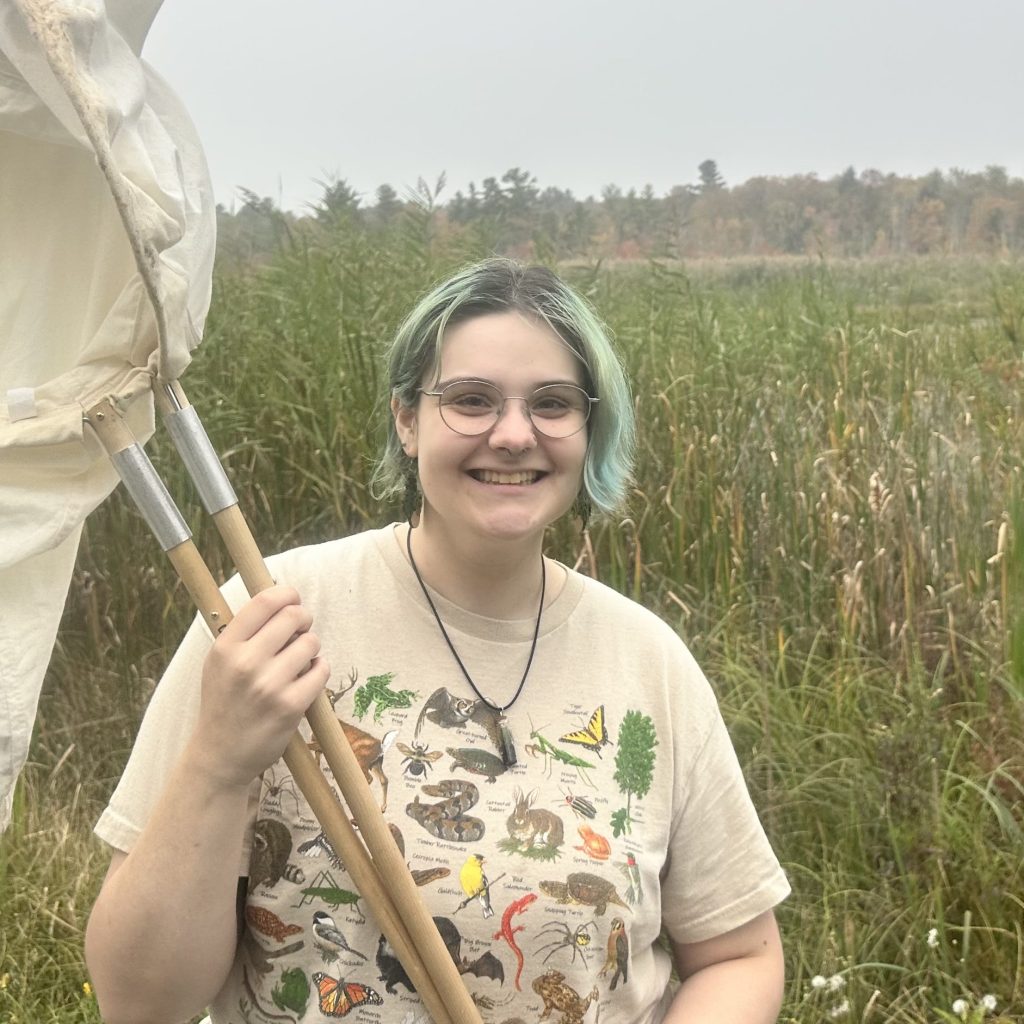
Gwendolyn Moon (Biology)
Gavin O’Connor (NRC- Forestry)
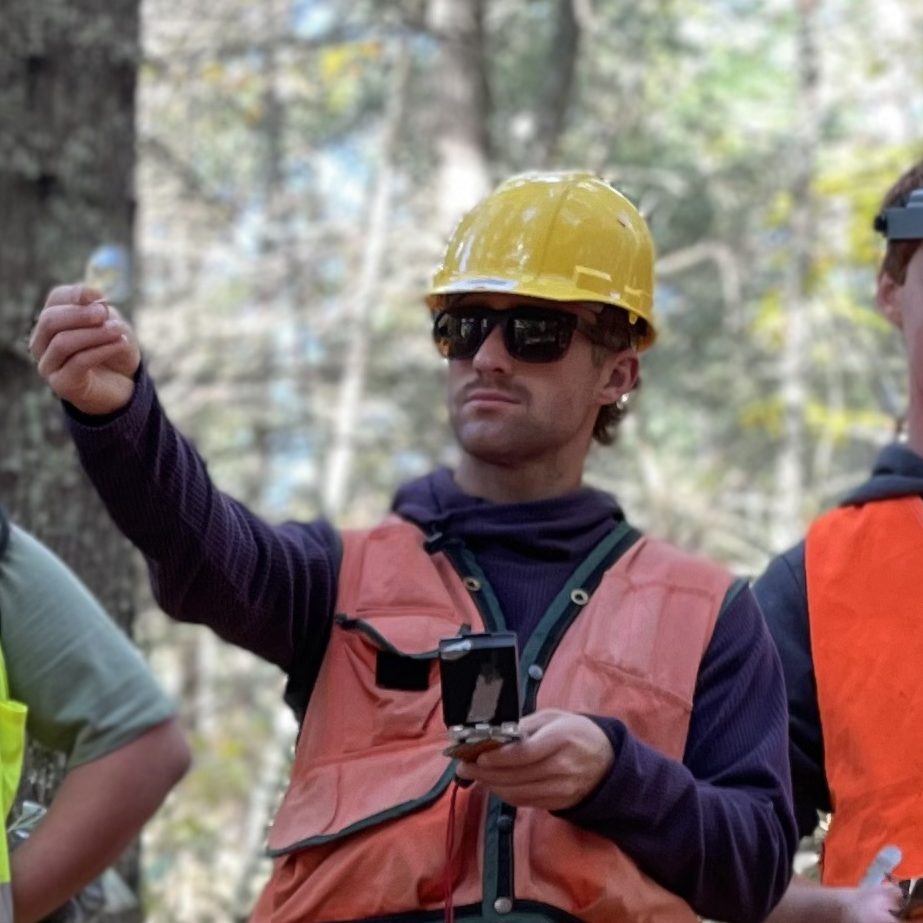
website: Gavin O’Connor
Dhruv Patel
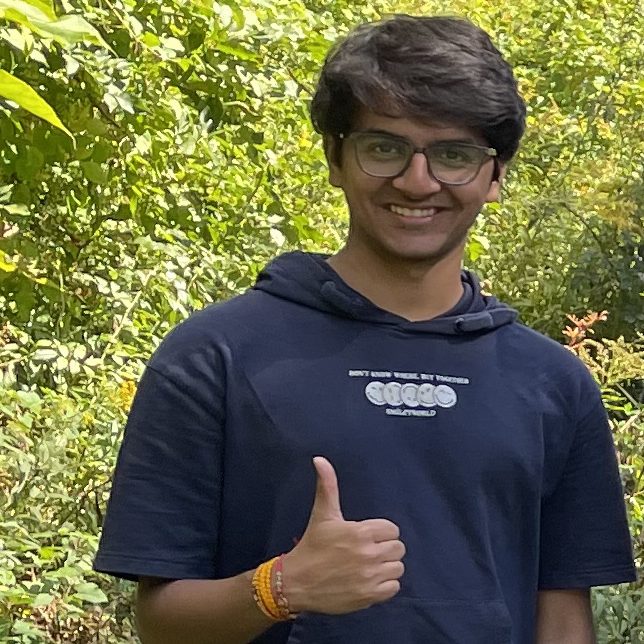
Gabe Rua (NRC- Fisheries)
Lab alumni
Technicians
Adella Catanzaro
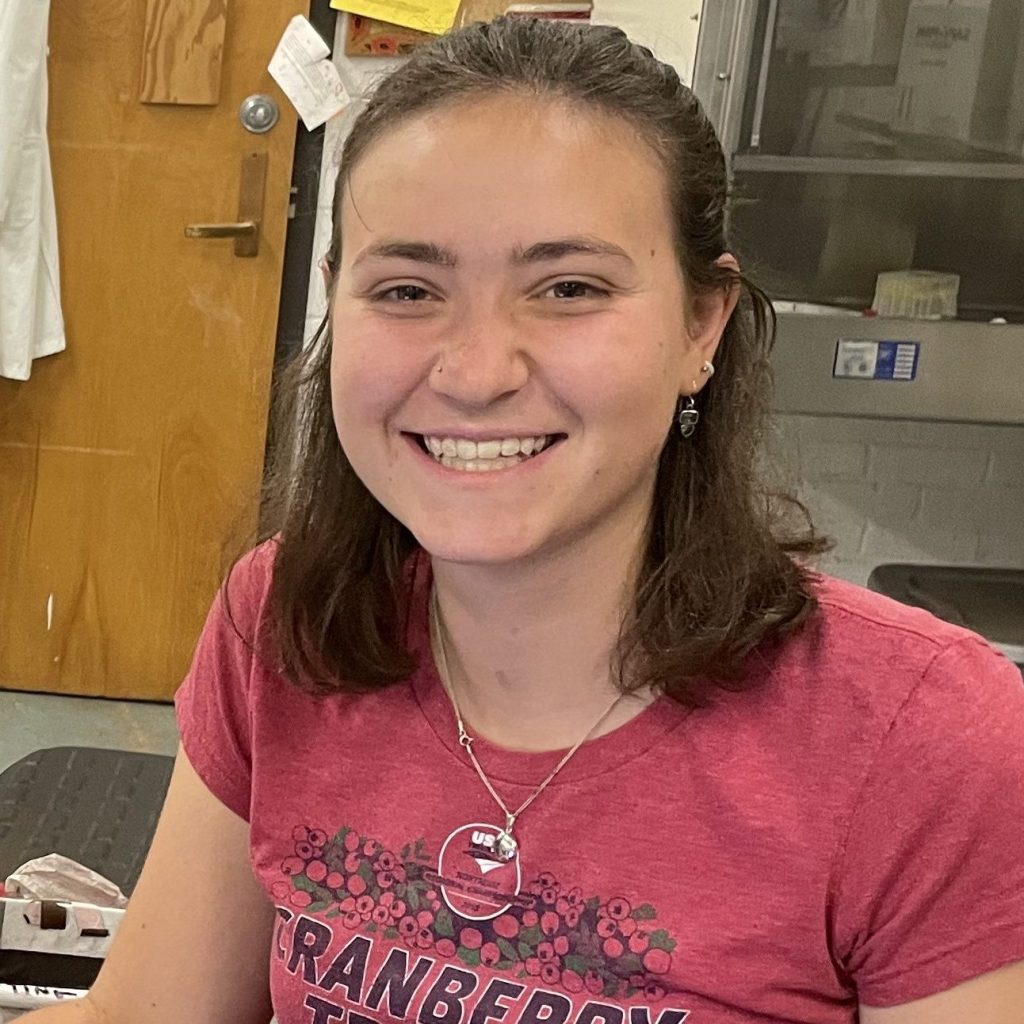
Tyler Chalifour
Armand Martinez
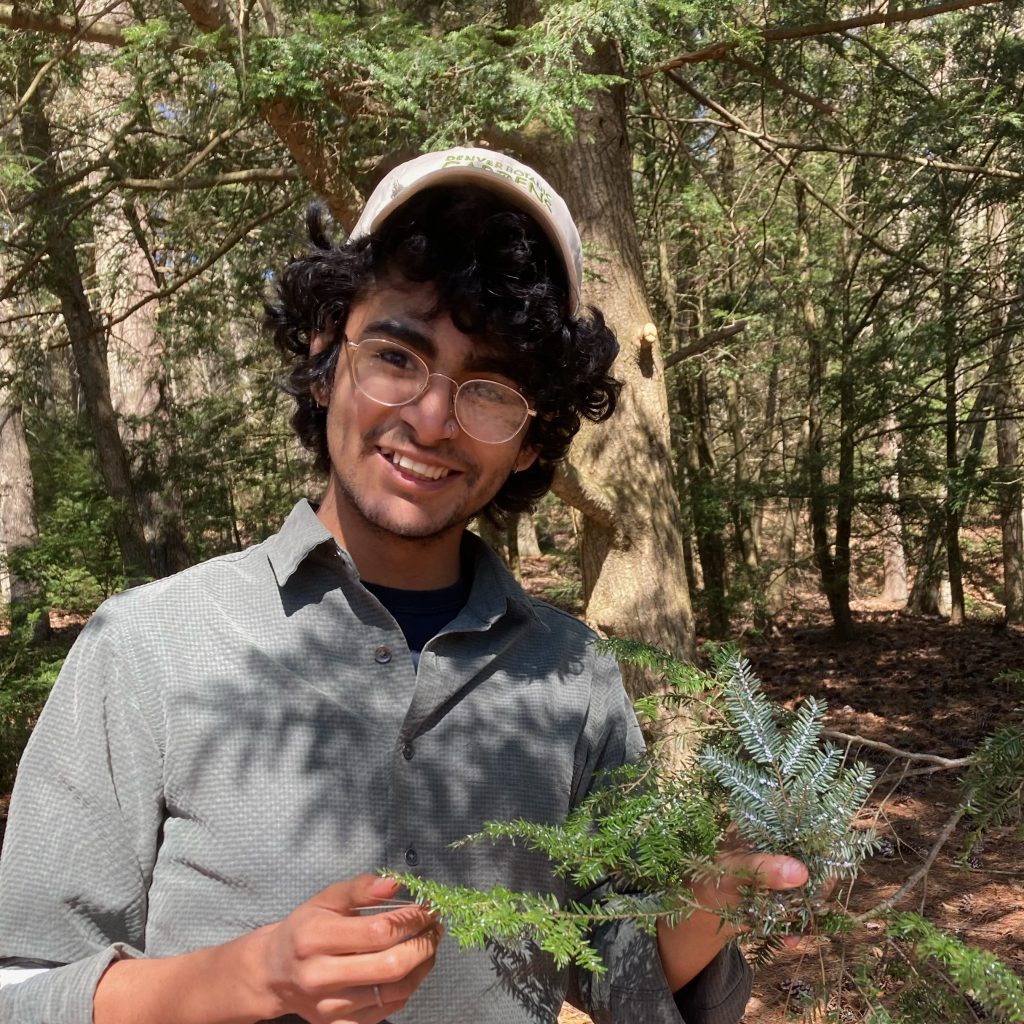
Finn Martin (Biochemistry)
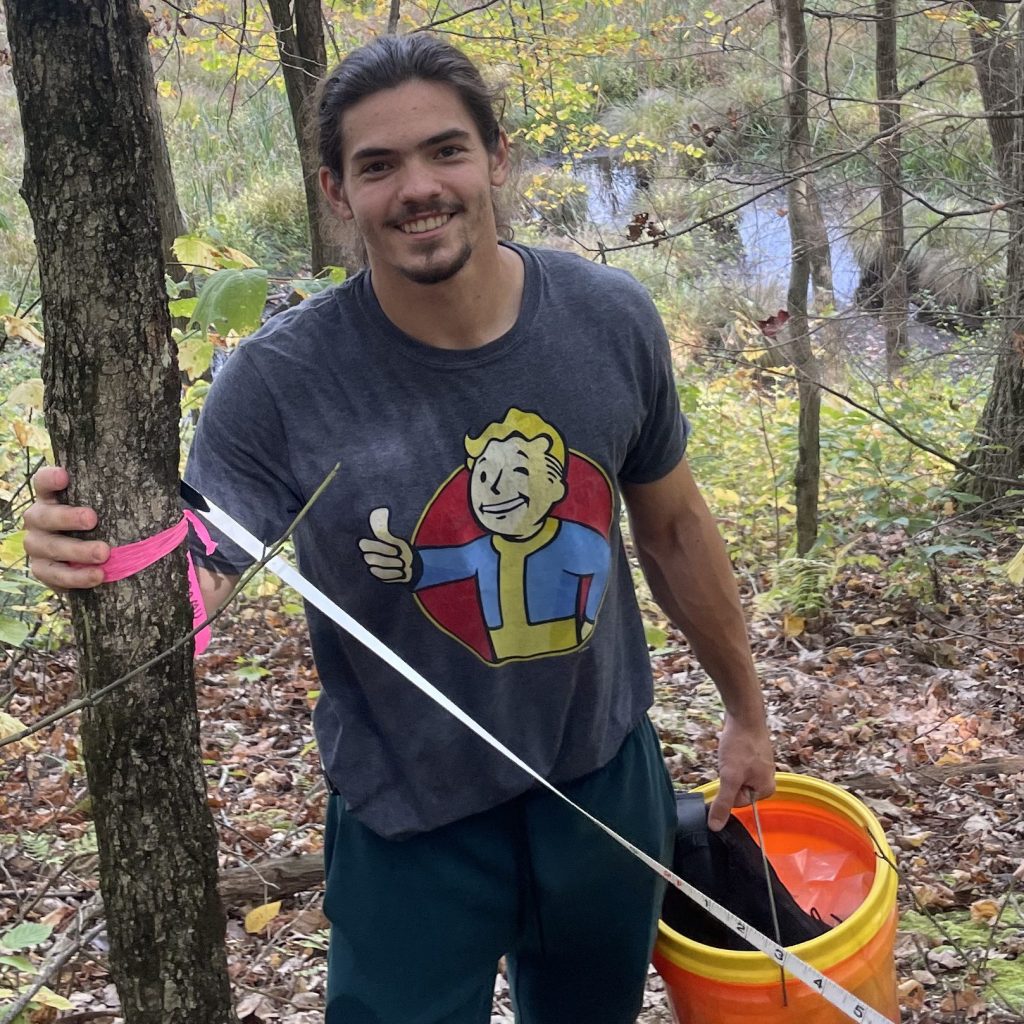
Owen Roche (Environmental Science)
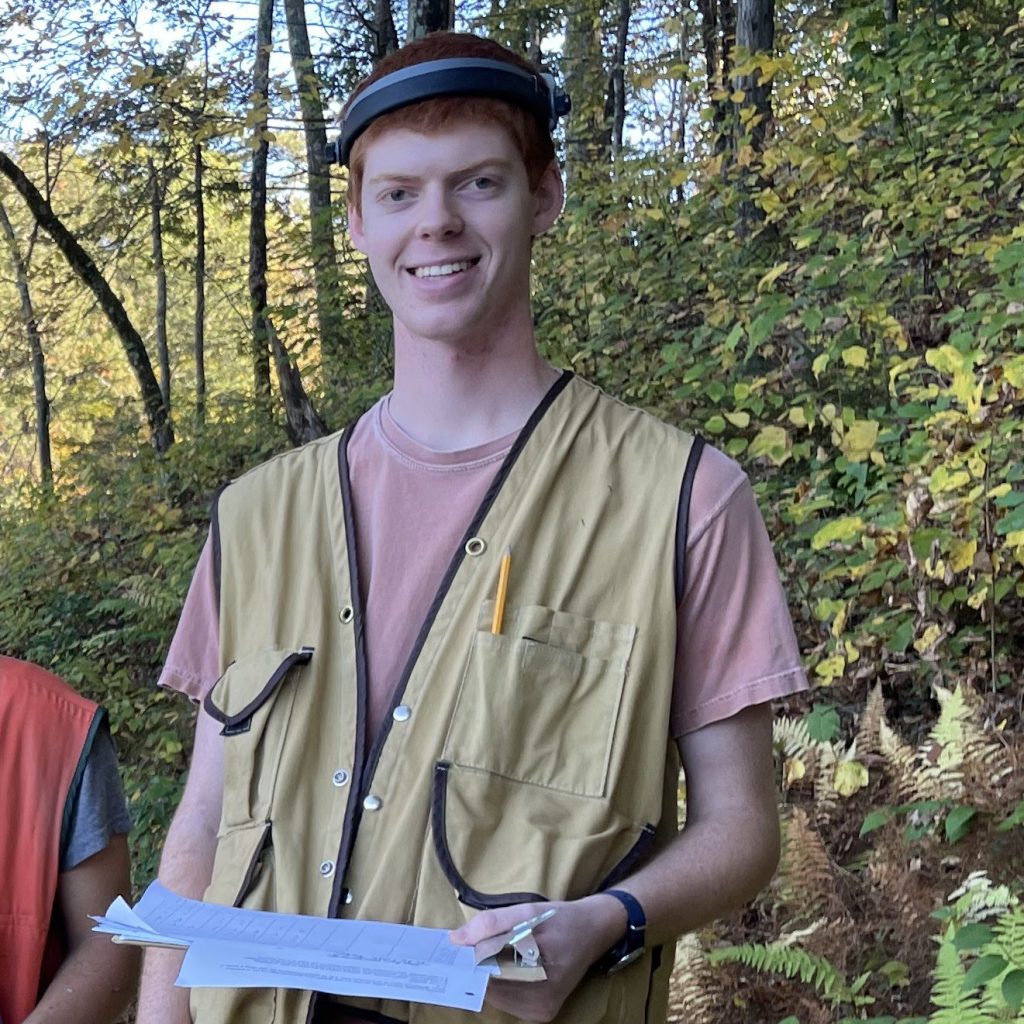
Allen Saini
Addison Twiss
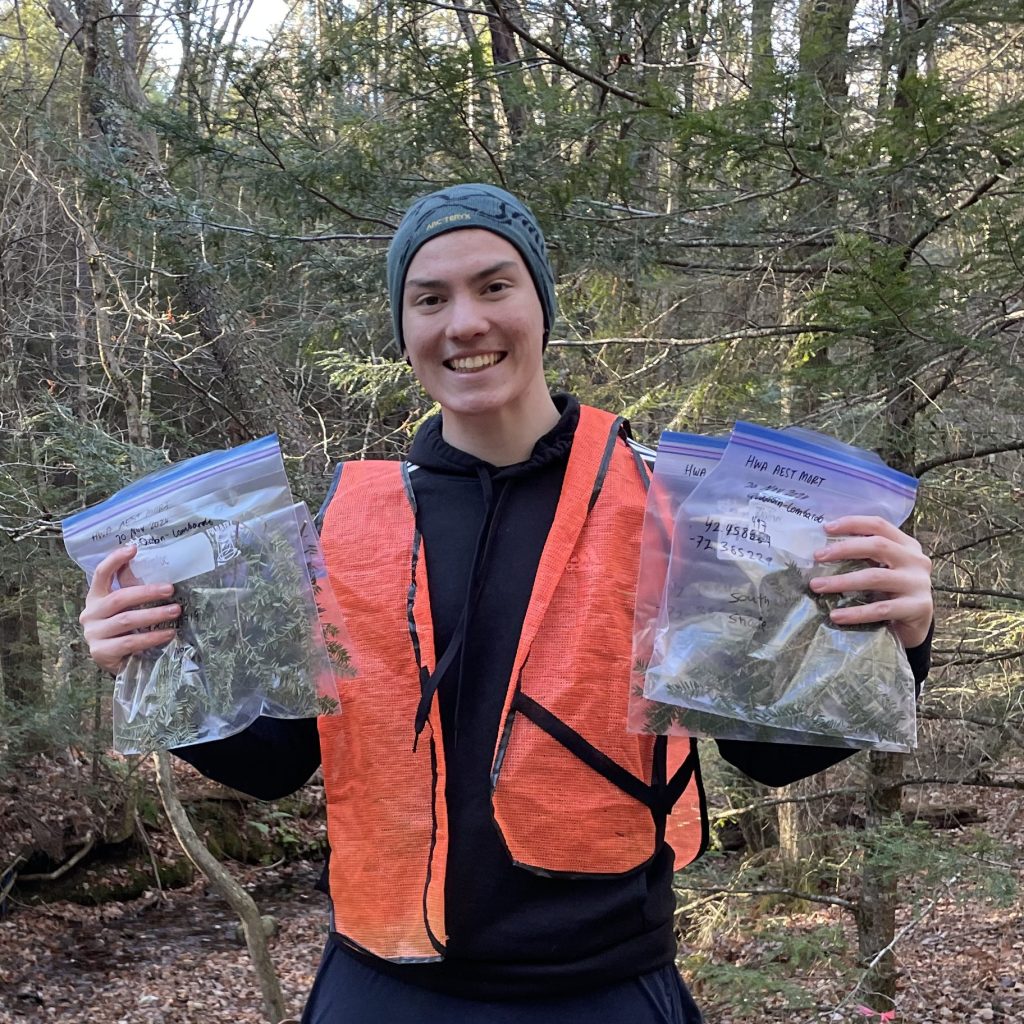
Past Undergraduate Research Projects
Talia Weidberg. B.S. expected 2027. Climate Adaptation Scientists of Tomorrow (CAST) Fellow.
Project Title: “Conservation of Native Insects and Invasive Species Science.” Home Institution:
SUNY Geneseo.
Thuyen Pham. B.S. 2026. Computer Science, Mathematics. Honor Thesis: “Automated Wing Landmark Detection for Morphological Classification of Winter Moth Species”
Chris Santry. B.S. 2026. Biology. Independent Study: “Rolling Circle Amplification (RCA),
a simple approach to explore insect species diversity”
Mike Lauback Hidalgo. B.S. 2026. Biology. Independent Study: “Multi-locus sequence
analysis of native pollinators in the Melissodes agilis/trinodis species complex.”
Izaak Vigil-Sagan. B.S. 2025. Natural Resources Conservation. Independent Study.
“Building an open-access 3D insect scanner to digitize the UMass Insect Teaching Collection.”
Joyce Li. B.S. 2025. Vet and Animal Sciences. Biotech Research Program: “eDNA analyses
of Spotted Salamander and Blanding’s Turtle.”
Krithika Sasikumar. B.S. 2025. Biology. Independent Study: “Chromobacterium as potential
biological control agents for invasive forest pests and disease vectoring insects.”
Robert Tappin. B.S. 2025. Biology. Independent Study. “Developing genetic resources for
the study of adventive Aprostocetus wasps: possible biological control agents for Roseau Cane Scale
in the Mississippi Delta Region.”
Neil Gupta. B.S. 2024. Computer Science, Biology, and Mathematics. Independent Study: “Updating
the GenBank database to allow crowd-sourced organism identifications.” Current Position:
Software Engineer at Amazon
Arshad Ahmed. B.S. 2024. Biology. Independent Study: “Low coverage whole genome sequencing
(lcWGS) of the endangered Bethany Beach Firefly.” Current Position:
Caroline Schelleng. B.S. 2023. Department of Biology. Commonwealth College Honors Thesis:
“Study of an Outbreaking Population of Fall Cankerworm on Nantucket Island, Massachusetts.”.
Role: Committee Chair. Current Position: Lab Assistant, UC Riverside, Wilson Lab –
Entomology Research and Extension for Orchards/Vineyards.
James Tsalah. B.S. 2022. Natural Resources Conservation. Independent Study. “Development of
Wing Morphometric Analyses for the Rapid Identification of Invasive Winter Moth and Native
Bruce Spanworm Individuals.” Role: Faculty Sponsor. Current Position: Instructor, Geographic
Information Systems, Earth Geographic and Climate Systems, UMass Amherst.
Jackson Christopher-Callaghan. B.S. 2021. Natural Resources Conservation. Independent Study
Honors Project: “niClassify: Development of a GUI Application for the implementation of
Machine Learning Analyses for Species Classification.” Role: Faculty Sponsor. Current Position:
Research Programmer III at the Su/Wu Labs, Scripps Research Institute.
Dorian Kos. B.S. 2021. Natural Resources Conservation. Independent Study. “Using Genomic
Simulation Analyses to Study the Evolutionary History of Channel Island Foxes.” Role: Faculty
Sponsor. Current Position: PhD Student, Comparative and Molecular Biosciences, University of
Minnesota.
Jackson Lirette. B.S. 2020. Department of Biochemistry. Commonwealth College Honors Thesis:
“Identification of Fungal Pathogens Associated with Hemlock Woolly Adelgid (Adelges tsugae) in
New England.” Role: Committee Member. Current Position: Research Technician, the Hung
Laboratory, Broad Institute, MIT and Harvard University.
Julian Rasco. B.S. 2017. Molecular Environmental Biology, University of California Berkeley.
Independent Project. Development of non-invasive DNA extraction techniques to leverage the
value of natural history collections by conducting genomic DNA extraction and sequencing from
museum specimens of oak gall wasps. Current Position: Fleet Management, East Bay Regional
Parks District
Christopher Hernandez. B.S. 2016. Environmental Biology, University of California Berkeley.
Independent Project. Population genomics of botflys on Barro Colorado Island in Panama
associated with mantled howler monkeys. Current Position: Medical School, University of
California Los Angeles.
Ming Stephens. B.S. 2012. Environmental Science, University of California Berkeley. Independent
Project. Density dependent foraging behavior of the parasitoid wasp Trioxys pallidus. Current
Position: Environmental Scientist, Jacobs Inc.

